Introduction: The hidden signals that determine WMS success
Buying a warehouse management system (WMS) is rarely about features alone. The market is crowded with mature on-prem solutions, cloud-native platforms, and modern hybrids, all competing for a place in complex supply chains. Sector analysts consistently highlight SAP EWM and Oracle WMS Cloud as dominant players in the space, while newer platforms gain traction through modular architectures and strong ecosystems. Yet, a growing body of practitioners argues that product selections often fail because buyers underestimate the value of a vendor's digital footprint: its online presence, domain history, and credibility signals that accompany a software provider long before a first demo. In this article, we propose a practical, nonmarketing framework - a domains database approach - to inform due diligence and reduce post-implementation surprises.
To frame the conversation, we draw on the current WMS landscape and how buyers typically evaluate vendors. The market remains active and competitive, with Gartner MQ analyses highlighting ongoing investments in integration capabilities, deployment models, and global reach among leading players. In other words, the decision is as much about the vendor’s ability to sustain and support their platform as it is about the platform’s blue-chip features. Gartner’s Magic Quadrant for Warehouse Management Systems and market summaries from industry observers underscore this broader value theme. (oracle.com)
The WMS landscape today: who really shapes the market
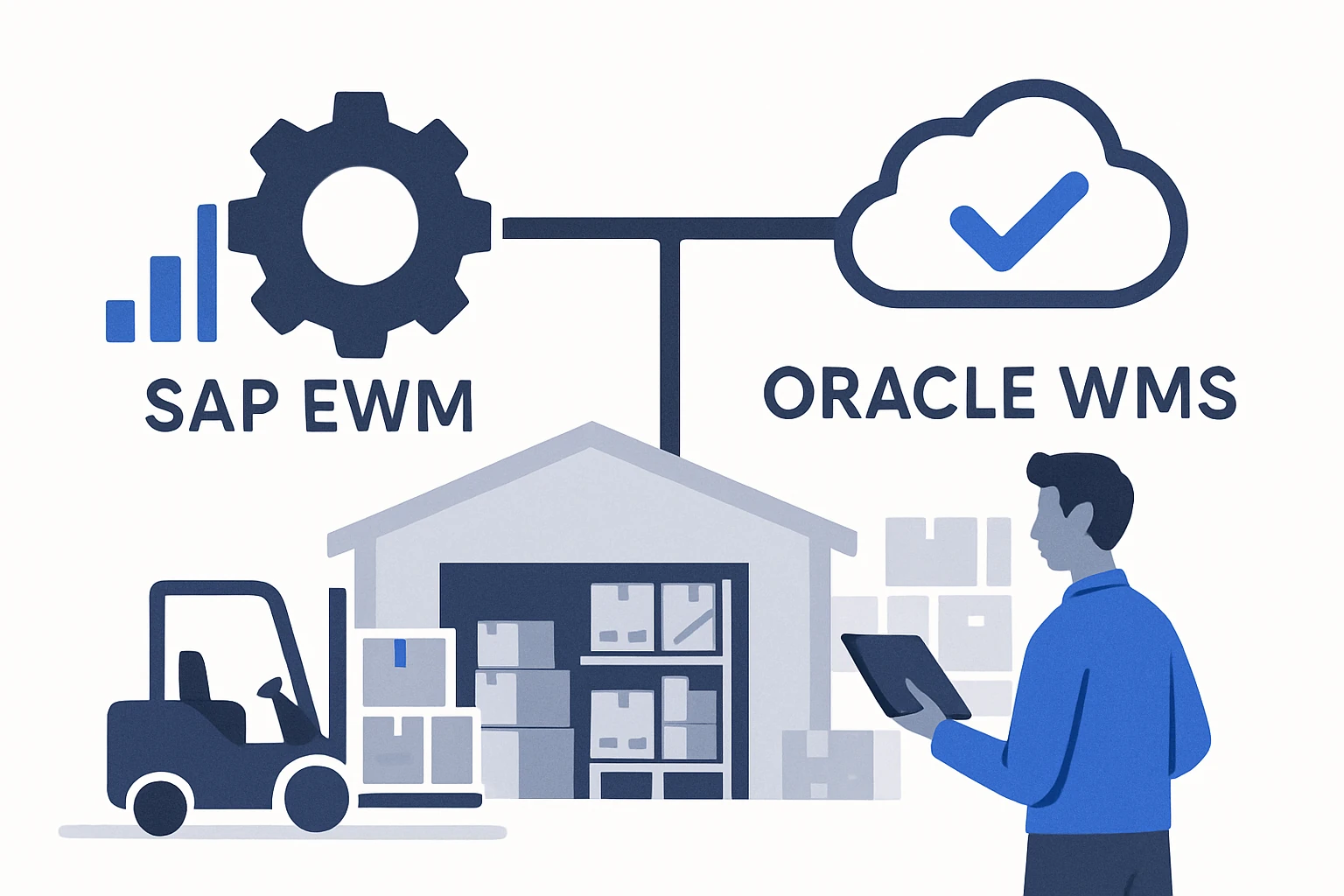
Understanding the conventional landscape helps ground a domain-focused diligence approach. SAP EWM and Oracle WMS Cloud remain central to many enterprise deployments, especially in industries with high regulatory demands or complex multi-warehouse networks. SAP EWM is frequently chosen for large, SAP-centric footprints, while Oracle WMS Cloud attracts organizations pursuing rapid deployment and SaaS-focused economics. These dynamics are echoed in market analyses and product briefs that track how each vendor positions its roadmap, connectors, and cloud strategy. For example, independent comparisons and market briefs consistently surface the SAP and Oracle ecosystems as core contenders, with room for mid-market innovations around integration libraries and ease of onboarding. Oracle and SAP in WMS context (MQ insights), Leading WMS comparison (industry guide). (oracle.com)
Analysts and practitioners emphasize that successful WMS adoption hinges on more than features: it requires strong vendor governance, robust integration capabilities, and a path to scalable operations. In a field where digital transformation is the norm, a vendor’s external signals - certifications, partnerships, and the quality and consistency of its online presence - often foreshadow the level of service customers can expect during implementation and ongoing support. A credible, well-maintained online presence generally aligns with more reliable product documentation, clearer upgrade paths, and transparent security practices. This is where a domains database-based approach to due diligence becomes meaningful for buyers.
Why a domains database matters in software decision-making
What is a domains database in this context?
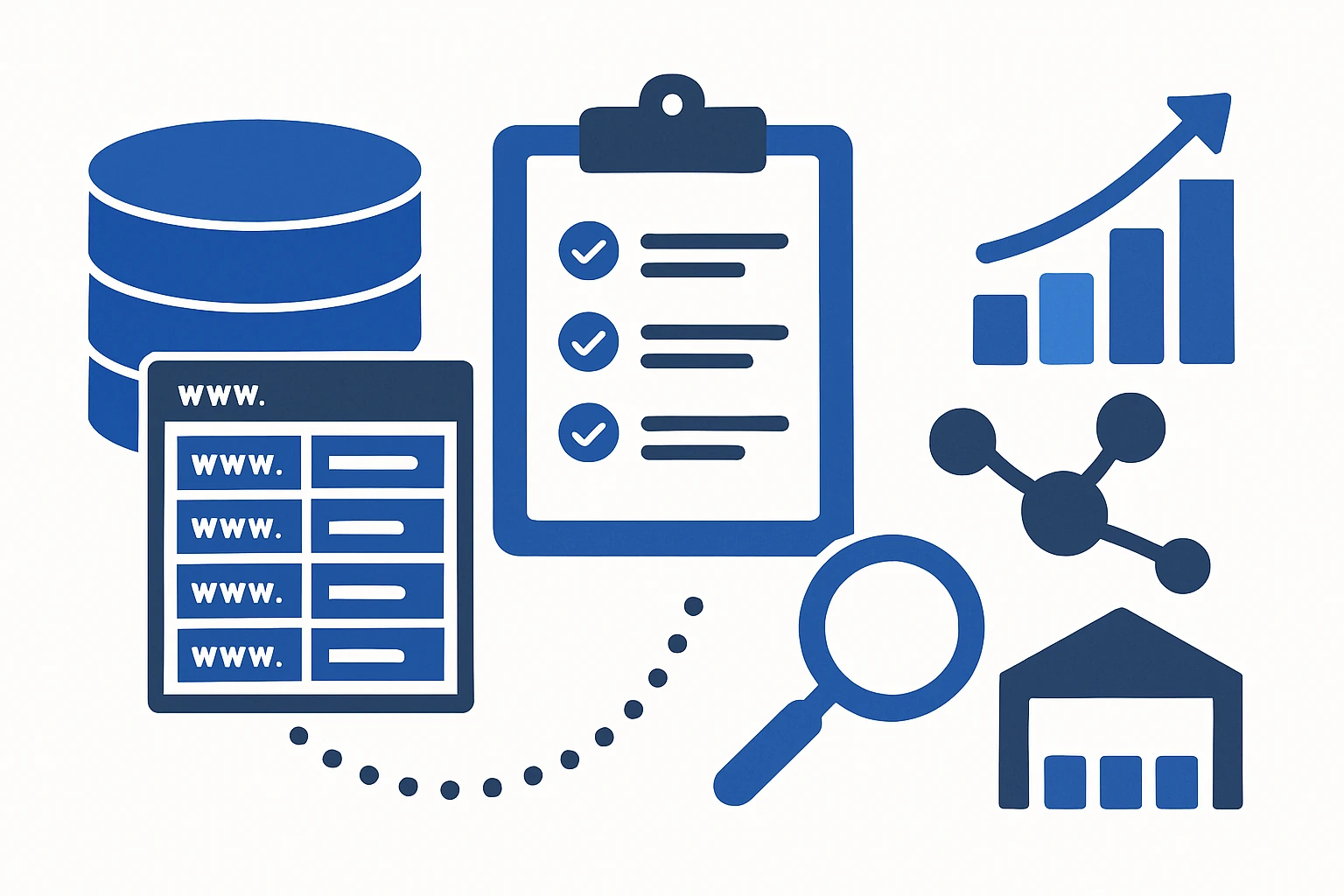
In this article, a domains database refers to a structured view of a provider’s digital footprint across their primary domains and related properties. It goes beyond a single homepage and includes registrant patterns, domain age and continuity, content history, HTTPS adoption, and a network of related domains and social signals. Together, these signals help buyers assess credibility, stability, and long-term viability - factors that often correlate with the vendor’s ability to deliver consistent support and evolve the platform over time. While domain age is not a direct SEO ranking factor, older, well-maintained domains typically reflect a stable brand and ongoing investment in digital property, which can be an indicator of reliability in vendor relationships. Google and industry observers repeatedly note that trust signals - rather than domain age alone - shape long-term user and partner perception. Does domain age matter for SEO? (external context), Domain age signals and trust signals overview. (namesilo.com)
Beyond SEO, this mindset aligns with practical due diligence: legitimate vendors maintain consistent domain ownership, publish timely updates, and host credible content. The absence of these signals can be a red flag, especially when a vendor’s public materials are sparse or contradictory. In short, a domains database can be a pragmatic, non-marketing lens on vendor credibility that complements product demos and reference checks.
A practical framework: domains-based vendor diligence for WMS purchases
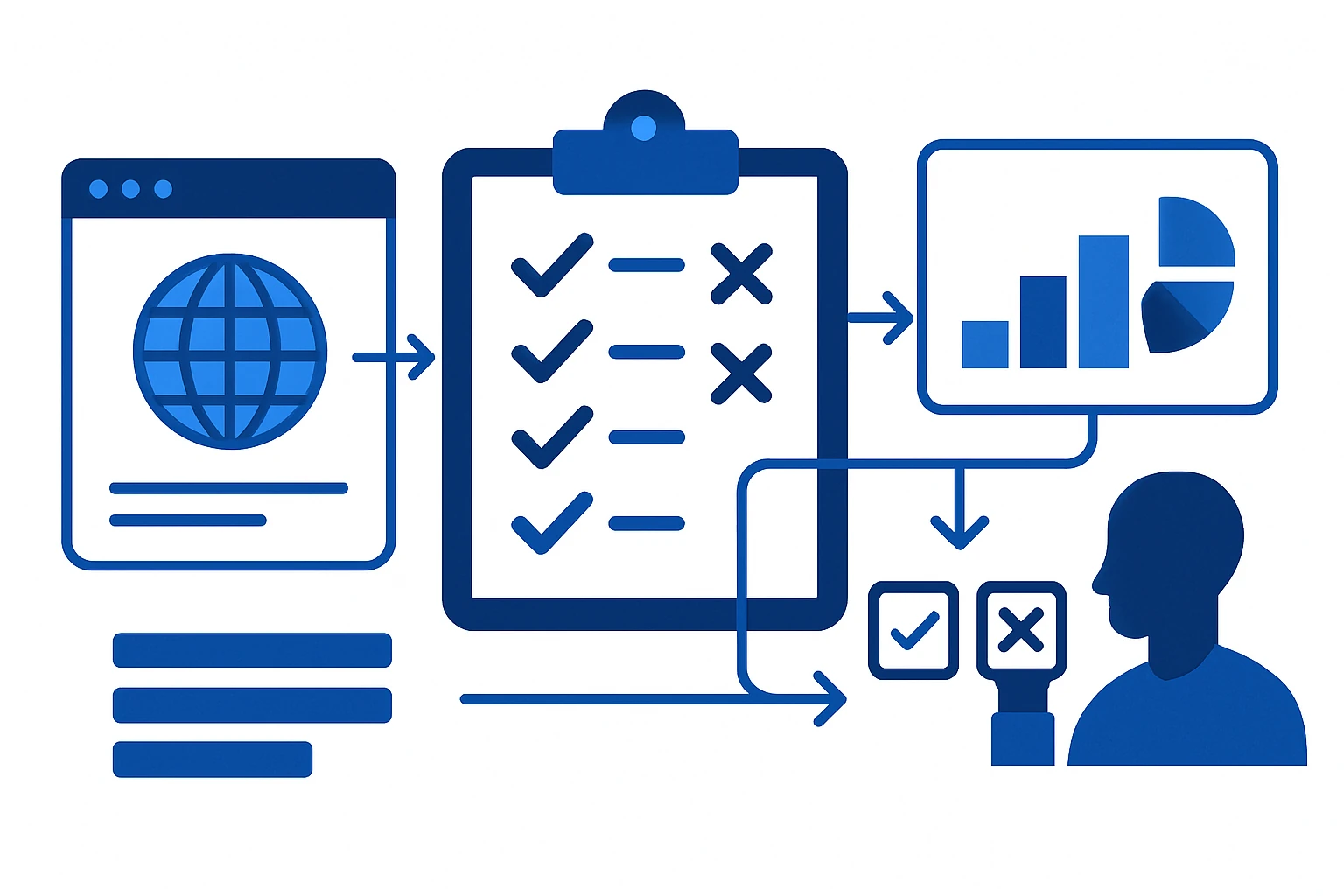
Below is a concise, repeatable framework to operationalize a domains database in WMS vendor diligence. It’s designed to be lightweight enough for first-pass screening but rigorous enough to flag red flags before you engage in detailed RFPs or pilots. The framework is organized as a step-by-step scorecard you can adapt to your organization’s risk tolerance.
-
Domain ownership and registration integrity
- Confirm who owns the provider’s core domains and whether ownership is consistent across related properties.
- Check for registrant details, privacy protections, and any recent transfers that could signal rebranding or restructuring.
- Look for consistent contact information across domains (support emails, admin contacts) that match the company’s corporate identity.
-
Domain age and continuity
- Assess the age of primary domains and whether they have remained actively used rather than sitting dormant.
- Consider registration length as an indicator of commitment, while recognizing that domain age is not a direct ranking factor, it often correlates with trust signals built through stability and content.
- Review historical snapshots (via publicly available archives) to detect major changes in branding or site focus.
-
Content quality and documentation footprint
- Evaluate the depth and clarity of product pages, security whitepapers, release notes, and API documentation.
- Check for consistent, authoritative content across the vendor’s blog, knowledge base, and support portals.
- Scrutinize the presence of third-party references or case studies that corroborate vendor capabilities.
-
Backlink and external signal quality
- Review backlinks to the vendor’s domains to gauge the credibility of external references. High-quality, relevant backlinks often reflect legitimate partnerships and thought leadership.
- Avoid domains with spammy link profiles or associations that could undermine trust.
-
Brand consistency and social footprint
- Check alignment between the company’s official social channels, press releases, and the information on main domains.
- Verify consistency of branding, contact channels, and product positioning across platforms.
-
Security posture and certifications
- Look for HTTPS adoption, security badges, and references to compliance standards (for example, data protection regimes relevant to logistics and cloud deployments).
- Cross-check public security reports or independent audits when available.
Structured as a scoring exercise, this framework helps teams quantify what would otherwise be qualitative impressions. A simple scoring rubric could use 0–2 points per sub-item, with thresholds defined by risk tolerance (e.g., pass at 8/12 points for a vendor in the early pilot phase and 18/24 for enterprise-scale deployments). The real value is not a number alone but the visibility it provides into potential post-sale issues such as support responsiveness, upgrade cadence, and ecosystem strength. Experts in software vendor evaluation emphasize that credibility, documentation quality, and deployment readiness are fundamental to long-term value, not merely to initial impressions. For a broader perspective on vendor evaluation practices, see industry analyses and practitioner guides that stress practical, evidence-based scoring over surface-level marketing claims.
Real-world considerations: limitations, trade-offs, and common mistakes
Limitations of a domains-based approach
A domains database is a valuable screening tool, but it cannot replace hands-on evaluation. Real-world vendor performance depends on product fit, integration capabilities, and the quality of customer references. Even the most credible online footprint cannot guarantee successful implementation in your unique warehouse layout, network, and SLA requirements. Gartner MQ discussions and market-conscious briefs remind buyers that successful WMS adoption hinges on a vendor’s ability to deliver end-to-end value, including integration, deployment, and ongoing support. MQ context for WMS providers, MQ 2024 key takeaways. (oracle.com)
Common mistakes to avoid
- Relying on domain age as a proxy for product quality or vendor reliability. Domain age is not a direct ranking factor, and it should not be conflated with product maturity or customer satisfaction.
- Short-changing reference checks in favor of online signals. A robust due diligence process should include customer references, live demos, and implementation timelines.
- Focusing solely on the largest vendors. Mid-market and specialized WMS players often offer strong domain credibility and responsive support, but require careful evaluation of ecosystem and connectors.
Operationalizing the approach: a practical case and how to start
Imagine a cross-functional team evaluating three WMS candidates for a multi-fulfillment operation. They begin with a domains-based triage: verify domain ownership and continuity across the vendor’s core domains, assess the age and activity level of those domains, review documentation quality and the presence of robust API references. They then corroborate signals with product demos, security attestations, and customer references. If the signals align across the board, the team proceeds to a formal RFP with a structured scoring rubric that includes a vendor’s ecosystem and deployment model. In practice, teams that integrate a domains database during early diligence tend to avoid late-stage surprises related to vendor stability, information integrity, or inconsistent branding that complicates contract negotiations. For readers who want a practical tool to begin, a few leading providers offer domain-enabled due diligence features as part of broader vendor intelligence services. As one industry observer notes, the future of software vendor evaluation rests on combining verified evidence, transparent roadmaps, and credible implementation history.
Integrating WebAtla into the due-diligence workflow
For teams seeking a concrete, editorially neutral way to operationalize the domains database concept, a tool like WebAtla can help organize and monitor vendor digital footprints. By centralizing domain ownership data, registrant history, and credibility signals in a single workflow, procurement and IT teams can compare WMS vendors in a repeatable way. Consider linking a vendor short list to WebAtla’s domains database view to keep track of domain health, brand consistency, and public security posture across candidate providers. For teams exploring pricing, or planning a longer evaluation phase, WebAtla pricing and related domain-data resources can support a more disciplined diligence process. You can also explore related domain collections such as the domains by TLD or .com domains catalogs to benchmark how vendors maintain their global digital presence.
Conclusion: domain signals as a complement, not a replacement
A domains database approach offers a structured, evidence-based way to screen WMS vendors beyond face-value marketing and product snapshots. It helps teams spot risks early - such as inconsistent branding, weak documentation, or potential ownership fragmentation - that could complicate later stages of deployment and support. When combined with hands-on product evaluation, reference checks, and a clear implementation plan, this lens adds resilience to the vendor selection process. The WMS market remains dynamic, with SAP EWM and Oracle WMS Cloud at the center and a thriving ecosystem of alternatives. The key takeaway is to treat a reliable digital footprint as a leading indicator of vendor health, not a standalone verdict. For teams looking to operationalize this approach, exploring a centralized domain-data workflow with a provider like WebAtla can turn signals into actionable insights.
Expert takeaway
Industry observers emphasize that successful software selection hinges on practical evidence and deployment-readiness, not just product capability. A disciplined, evidence-based scoring approach - combining product fit with vendor credibility signals - can significantly reduce the risk of misaligned expectations and scope creep during implementation. As MQ analyses and market briefs suggest, the strongest evaluations balance roadmap clarity, ecosystem strength, and credible governance with a realistic view of how the vendor will support your operations over time.
Structured quick-reference: Domains-Diligence Scorecard (summary)
- Domain ownership and continuity
- Domain age and historical activity
- Documentation footprint and quality
- Backlink and external credibility signals
- Brand consistency and social signals
- Security posture and standards
With these signals, buyers can create a defensible, transparent decision framework that supports a more predictable WMS implementation path. For more on the broader WMS market context and major vendor dynamics, see Gartner MQ insights and industry overviews cited above.