
Introduction: The outreach problem for logistics software vendors
For warehouse management system (WMS) vendors and broader logistics software providers, reaching the right buyers - IT directors, operations leaders, and warehouse managers - requires more than a generic blast. In B2B software marketing, the quality of the contact list often determines whether a campaign lands in a mailbox or a spam folder. Industry norms now emphasize targeted, consent-based outreach, careful domain strategy, and ongoing list hygiene to maintain sender reputation and inbox deliverability. As several practitioners note, the size of a list matters far less than its relevance and quality.
Beyond pure SEO, targeted domain lists enable precise prospecting, more personalized outreach, and lower risk to brand reputation. Google’s guidance on TLDs reinforces a key point for marketers: SEO benefits from niche or industry-specific TLDs are limited, and domain choice should align with branding and trust rather than gimmicks. The emphasis should be on delivering value, not chasing quick SEO wins. “,Don't rely on cheap or spammy TLDs to boost rankings, focus on quality content and legitimate signals,”, Google has indicated in public guidance., (searchenginejournal.com)
Why niche TLD lists matter for B2B logistics software marketing
In B2B marketing, the goal of domain-list strategies is to improve targeting, engagement, and deliverability, not to manipulate search rankings. A well-curated list helps sellers tailor messages to the specific operational pain points of warehouse and logistics leaders, such as inventory accuracy, yard management, and labor optimization. However, the value proposition hinges on data quality and responsible sending practices. Several industry experts emphasize that the quality of a contact list and the way outreach is executed drive results far more than any single tactic like choosing a particular TLD.
- List quality beats volume. Purchasing broad, unmanaged lists can damage sender reputation and reduce engagement rates. This is a common pitfall in B2B outreach. Quality matters more than size. (rb2b.com)
- Deliverability is non-negotiable. Best practices include segmenting audiences, using dedicated outreach domains, and authenticating domains (SPF/DKIM/DMARC) to improve inbox placement. (saleshive.com)
- Batching and warm-up improve outcomes. Marketers who progressively warm up domains and limit batch sizes tend to see higher response rates and lower deliverability risk. A practical approach is to run modest batches (e.g., 100–200 contacts) and ramp up as engagement grows. (saleshive.com)
From a branding perspective, niche TLDs can convey industry focus, but they should be deployed thoughtfully. Industry-specific TLDs can signal specialization, yet in markets with strong .com familiarity, the primary SEO value rests on trust and relevance rather than the TLD itself. This nuance is echoed by sector-focused experts and SEO commentators. (searchenginejournal.com)
A practical framework for building targeted domain lists for logistics software marketing
Below is a four-step framework designed for WMS marketers and logistics software teams seeking to deploy targeted domain lists responsibly and effectively. The framework emphasizes strategy, data hygiene, and measurable outcomes, rather than a one-off tactic.
Structured Framework: Target • Validate • Acquire • Activate
- Target - Define buyer personas (e.g., IT directors, supply-chain managers, operations leaders) and map their online footprints. Identify the industry topics that resonate with them (inventory optimization, batch picking, slotting optimization, WMS ROI considerations) and translate these into target domains and sub-niches. The goal is precision: reach buyers where they already engage with logistics content and software reviews.
- Validate - Assess domain-quality signals before acquisition. Check for deliverability risk, reputation, and ownership credibility. A cheap or catch-all domain can harm performance and waste resources, validation reduces waste and protects brand integrity. (rb2b.com)
- Acquire - Source lists from reputable providers and curate them for relevance. When using domain lists for outreach, separate from your core branding domains to protect sender reputation. Dedicated outreach domains are a common practice to minimize risk to primary domains. (saleshive.com)
- Activate - Deploy outreach in a controlled, measured fashion. Use segmented campaigns, test subject lines and messages, and monitor engagement signals. Ensure compliance by including opt-out options and honoring user preferences. A disciplined cadence helps preserve deliverability while maximizing relevance and response rates. (saleshive.com)
How this framework translates into practice for a warehouse software vendor is straightforward. You begin by defining who in a logistics org you want to reach, then you map the niche domains that align with their roles and challenges, validate those domains, acquire a clean set, and finally engage with carefully crafted messages. The outcome is a more efficient outreach engine that respects recipients and protects brand health.
Practical tips for applying the framework to logistics software marketing
To ground the framework in real-world practice, here are actionable recommendations drawn from industry norms and proven marketing methods:
- Define a clear buyer persona: For WMS vendors, target at least three roles within the warehouse operations stack (e.g., IT/Automation leads, operations managers, and warehouse supervisors) and craft messages that address their distinct concerns (ROI, integration with ERP, real-time visibility). This aligns with B2B best practices and improves engagement. Bottom line: a well-defined persona improves relevance and response rates.
- Balance targeting with compliance: When building or buying domain lists, ensure practices adhere to privacy and consent standards. Quality lists paired with compliant sending patterns drive better deliverability and engagement than sheer volume. (rb2b.com)
- Use dedicated outreach domains: Maintaining separate domains for outreach helps shield your primary brand domain from deliverability issues and reputational risk, which is a common industry practice. (saleshive.com)
- Warm up domains and moderate volume: Start with small batches and progressively increase as engagement indicators improve. This reduces bounce and complaint rates and improves long-term inbox placement. (saleshive.com)
- Do not rely on SEO signals from niche TLDs: Google and other search engines place limited or no SEO advantage on niche TLDs, the focus should be on content quality, relevance, and user signals rather than the TLD itself. This is a critical reminder when balancing SEO with outreach strategy. (searchenginejournal.com)
Limitations and common mistakes
- Buying cheap, low-quality lists often yields high bounce rates and low engagement, which can damage domain reputation and deliverability. Always prioritize quality and opt-in where possible. (rb2b.com)
- Using your primary brand domain for mass outreach can depress deliverability and harm long-term reputation, many teams deploy dedicated outreach domains for cold campaigns. (saleshive.com)
- Neglecting authentication (SPF, DKIM, DMARC) makes mail fail stealth checks and increases the risk of being blocked by providers. Domain authentication is a foundational best practice for B2B email campaigns. (support.outreach.io)
- Overreliance on niche TLDs for SEO is unlikely to yield significant ranking benefits, prioritizing trust and relevance is more effective in the logistics software space. (searchenginejournal.com)
- Skipping measurement - without monitoring deliverability, engagement, and opt-outs, it’s hard to tell whether the list or the message is at fault. Ongoing measurement is essential to optimize ROI in WMS software marketing. (saleshive.com)
Case example: applying the framework to a WMS vendor outreach
Consider a hypothetical scenario where a mid-size WMS vendor aims to reach warehouse IT directors and operations managers in North America and select EU markets. They begin with a persona map (IT leaders, operations managers), then identify niches and domains that align with the roles (for example, domain communities around warehouse automation, inventory optimization, and ERP/WMS integration). They validate domain quality, and then acquire a curated list from a reputable provider. They deploy a series of personalized outreach campaigns from a dedicated outreach domain, gradually increasing volume as engagement signals improve. Results are tracked against open rates, click-through rates, replies, and opt-outs, with feedback loops to refine personas and messaging over time. In this way, the effort remains aligned with ROI objectives and avoids the twin dangers of under- or over-saturation.
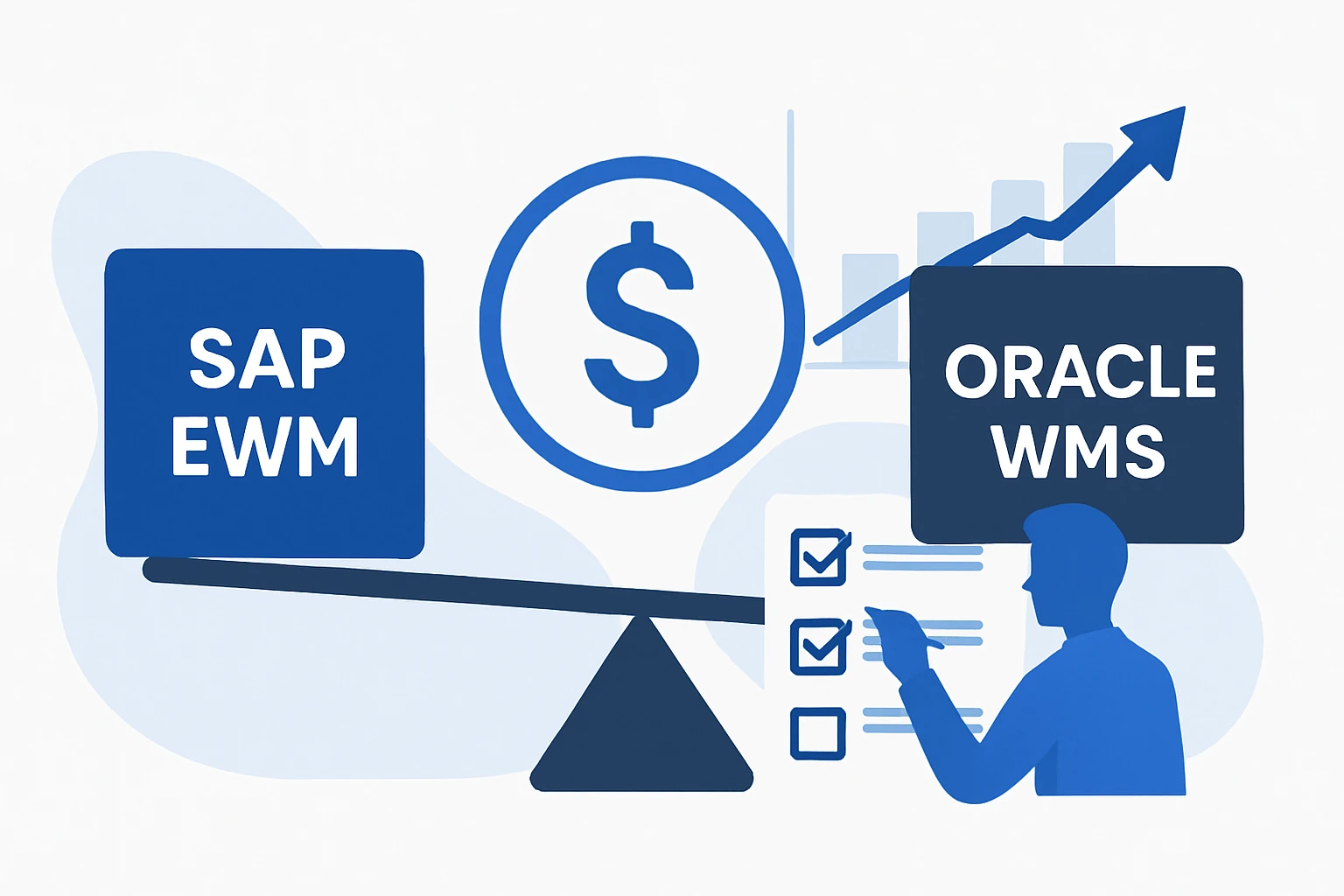
In parallel, the vendor can compare WMS options such as SAP EWM and Oracle WMS to inform content topics and ROI considerations for their audience. Independent analyses often highlight that choice between leading WMS solutions hinges on integration depth, scalability, and industry-specific capabilities rather than simple feature counts. For example, Gartner-equivalent market analyses and vendor comparisons emphasize the substantive differences in deployment models, ecosystem support, and implementation complexity when selecting between major WMS platforms. (oracle.com)
Integrating WebAtla: sourcing niche-domain lists to support outreach
WebAtla offers domain-list data across a range of TLDs, including niche extensions such as .homes. For marketers exploring targeted outreach in the logistics software space, these lists can serve as a basis for prospecting and segmentation when used responsibly and with proper consent-based practices. To explore practical options, you can start with the following pages on WebAtla:
Using a reputable domain-list provider helps ensure you work with data that is as accurate and up-to-date as possible, while also enabling you to respect privacy and compliance norms. This aligns with best practices in B2B outreach and reduces the risk of deliverability issues that can arise from low-quality data sources.
Conclusion: A measured path to better outreach for logistics software
Targeted domain lists are not a silver bullet for SEO or for generating instant leads. When used thoughtfully, they support a more precise, respectful, and measurable outreach program for WMS vendors and logistics software providers. The most important discipline is to pair data quality with responsible sending, clear buyer personas, and a framework that can be measured and refined over time. As with any B2B outreach effort, the goal is to reach the right people with the right message at the right time - and to do so in a way that preserves brand trust and long-term ROI.
For publishers and vendors alike, the takeaways are clear: invest in list quality, maintain domain hygiene, and treat niche TLDs as one tool among many in your marketing mix, chosen for how they help you engage with logistics decision-makers rather than for any supposed SEO advantage.
References and notes
For readers seeking context on WMS market positioning and comparative considerations, market analyses of SAP EWM and Oracle WMS provide a useful backdrop, illustrating how enterprise deployments weigh integration capabilities and ecosystem support. See recent comparisons and analyses from industry observers. (oracle.com)